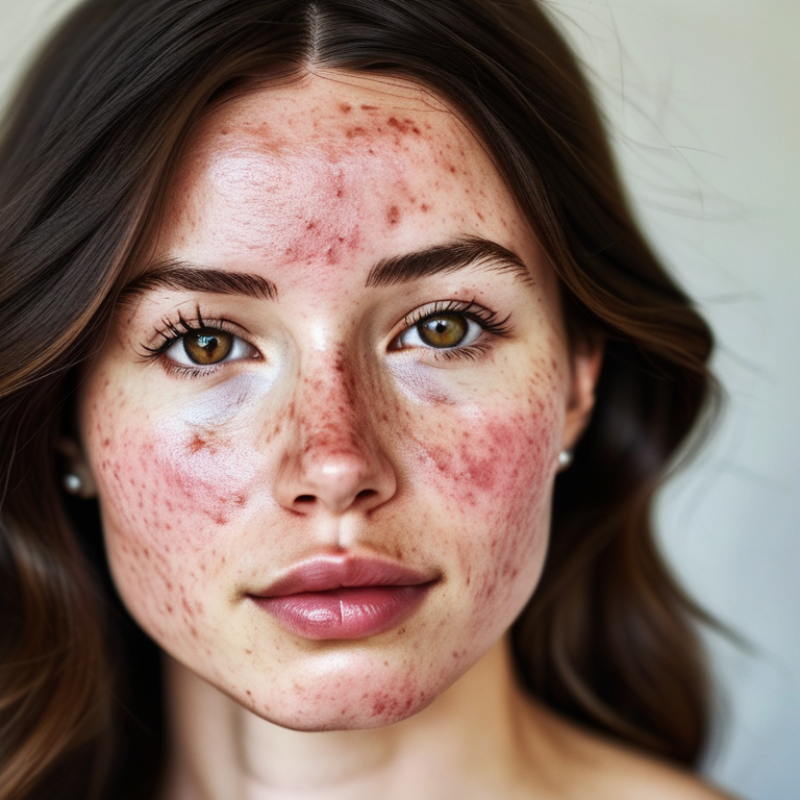
Acne is a common struggle for many. You may often wonder, "why is my acne not going away?" Dr. Emily Harris, a renowned dermatologist, emphasizes, "Understanding the root causes of acne is crucial for effective treatment." It’s not just about using products; it’s about diagnosis and lifestyle.
Many people treat acne topically, but underlying issues frequently go unnoticed. Hormones, diet, and stress can all influence skin health. It's essential to assess these factors thoroughly. Dr. Harris suggests keeping a journal to track triggers.
You are not alone in this journey. With persistence and the right approach, clearer skin is achievable. To address why your acne isn’t improving, reconsider your routine and seek professional advice. Clear skin is possible, but it may require reflection and change.
Understanding the Persistence of Acne: Common Causes and Factors
Acne can often feel like an unending battle. Many people experience persistent breakouts due to various factors. Hormonal fluctuations are a significant contributor. According to the American Academy of Dermatology, hormonal changes can cause increased oil production, leading to clogged pores. As a result, acne often appears before menstruation, pregnancy, or during puberty.
Diet also plays a crucial role in acne. A study published in the Journal of the American Academy of Dermatology revealed that high-glycemic-index foods could worsen acne. Sugary snacks and refined carbs spike insulin levels, which may increase oil production. While some individuals may see improvements by adjusting their diet, the results are not universal.
Stress must not be underestimated. A survey by the American Psychological Association indicated that 37% of adults experience stress-related skin issues. This stress response can trigger inflammation, worsening acne. Reflecting on personal habits and stress management techniques is essential for achieving clearer skin. Understanding these factors can empower individuals to take proactive steps in their skincare journey.
The Role of Hormones in Acne Development: Key Insights from Research
Hormones play a significant role in acne development. Research indicates that androgens, particularly testosterone, can stimulate sebaceous glands, leading to excess oil production. This process often results in clogged pores. According to the American Academy of Dermatology, about 85% of individuals experience acne at some point in their lives, with hormonal fluctuations often being a key factor, especially during puberty, menstruation, and pregnancy.
Women are particularly affected by hormonal acne. A study published in the Journal of Clinical Endocrinology & Metabolism found that roughly 50% of women in their 20s experience persistent acne due to hormonal imbalances. Elevated insulin levels can also contribute. Insulin resistance may increase androgen production, exacerbating oiliness and breakouts. Notably, lifestyle factors such as diet and stress can influence hormone levels, creating a cycle that feels difficult to break.
Many people overlook the impact of their menstrual cycle on skin health. Tracking your cycle can provide insights into flare-ups. For some, acne occurs in sync with hormonal changes. Reflecting on these patterns can help identify triggers. While skincare products are important, understanding and managing hormonal influences is crucial for long-term clear skin.
Topical Treatments for Acne: Efficacy and Expert Recommendations
Topical treatments for acne are essential for achieving clear skin. According to a 2023 report by the American Academy of Dermatology, nearly 85% of people experience acne at some point. Many turn to topical solutions as a frontline defense. Products containing benzoyl peroxide and salicylic acid are among the most recommended by dermatologists. They work by reducing inflammation and unclogging pores.
Experts highlight the importance of consistency. A study published in the Journal of Clinical and Aesthetic Dermatology indicated that regular use of these treatments can show results within 4 to 6 weeks. However, it is important to note that skin can react differently. Some people may experience irritation or dryness. Adjusting the frequency of application can often alleviate these issues.
Not all topical treatments are equally effective for everyone. Unique skin types and acne severity can influence treatment outcomes. A survey found that 40% of users reported dissatisfaction with results. This emphasizes the need for patients to consult healthcare professionals, ensuring personalized recommendations based on their specific conditions. Embracing a holistic approach can empower individuals in their journey for clearer skin.
Lifestyle Changes for Clear Skin: Dietary and Skincare Tips to Consider
Acne can be frustrating, especially when it seems relentless. Lifestyle changes can significantly impact your skin's health. Consider adjusting your diet. Focus on whole foods rich in vitamins and minerals. Incorporate plenty of fruits and vegetables. Omega-3 fatty acids from fish or nuts can reduce inflammation. Stay hydrated; water keeps your skin moisturized and flushes out toxins.
Skincare routines also play a crucial role. Choose non-comedogenic products that don’t clog pores. Cleanse your face morning and night with gentle, pH-balanced cleansers. Exfoliating regularly helps remove dead skin cells. However, over-exfoliating can irritate your skin, so find a balance. Always apply sunscreen to protect your skin from UV rays.
Managing stress is another essential factor. High-stress levels can trigger acne flare-ups. Incorporate stress-relief techniques like yoga or meditation into your daily routine. Reflect on what affects your skin, and adjust accordingly. Declarative statements, like “this product will cure my acne,” can lead to disappointment. Embrace the journey of finding what works for you.
Future Trends in Acne Treatment: Innovations and What to Expect in 2026
Acne treatment is evolving rapidly. By 2026, new technologies promise significant advancements. According to the American Academy of Dermatology, nearly 50 million Americans struggle with acne each year. This persistent problem is pushing researchers toward innovative solutions.
Skin microbiome research is gaining traction. A balanced microbiome can reduce inflammation and improve skin health. Data from the Journal of Investigative Dermatology indicates that targeting specific bacteria may help clear acne more effectively. Furthermore, artificial intelligence in dermatology is on the rise. AI algorithms can analyze skin conditions accurately, offering personalized treatment plans. This could revolutionize how we treat and manage acne.
Hyaluronic acid and peptides are also trending as effective ingredients. They hydrate and repair the skin barrier. However, the challenge remains: not every treatment works for everyone. Personalized skincare is vital. Understanding individual skin types and conditions is key to finding the right solution. This will require continued research and user feedback. A one-size-fits-all approach is no longer acceptable in 2026.
Trends in Acne Treatment Efficacy (2023-2026)
FAQS
: Benzoyl peroxide and salicylic acid are widely recommended. They help reduce inflammation and unclog pores effectively.
Regular use can show results within 4 to 6 weeks, but results vary by individual.
Yes, some users may experience irritation or dryness. Adjusting application frequency can help reduce these effects.
Look for non-comedogenic options. Choose gentle cleansers and avoid products that clog pores.
A balanced diet with fruits, vegetables, and omega-3 fatty acids can reduce inflammation and promote healthy skin.
High stress levels can trigger flare-ups. Activities like yoga and meditation can help manage stress effectively.
Yes, advancements in technology will focus on personalized skincare based on individual needs and skin conditions.
A balanced microbiome may help improve skin health and reduce acne by targeting specific bacteria.
Exfoliation helps remove dead skin cells, but over-exfoliating can irritate your skin. Balance is essential.
Individual skin types and severity of acne can affect treatment outcomes. Personalized recommendations are vital for effectiveness.
Conclusion
Acne can be a persistent issue for many individuals, leading to the common question, "why is my acne not going away?" Understanding the root causes is essential, as factors such as hormonal fluctuations, genetics, and lifestyle choices play a significant role in acne development. Recent research highlights how hormones can exacerbate acne, particularly during certain life stages.
In addition to medical treatments, topical solutions are available, but their efficacy often varies among individuals. Alongside these treatments, implementing lifestyle changes—such as dietary adjustments and proper skincare routines—can have a profound impact on achieving clearer skin. Looking forward to 2026, advancements in acne treatment are on the horizon, promising new innovations designed to tackle this common skin concern more effectively.