When it comes to skincare, most people have heard of hyaluronic acid. Yet, understanding how to use hyaluronic acid correctly can make all the difference. Dr. Emily Chen, a renowned dermatologist, emphasizes, "Applying hyaluronic acid on damp skin enhances absorption significantly." This insight highlights the importance of technique.
Hyaluronic acid is a powerful humectant. Its ability to retain moisture is unmatched. If used incorrectly, individuals may not see the benefits. Many apply it to dry skin, which can lead to disappointment. It’s also essential to choose the right formulation for your skin type. High-quality products are critical for achieving desired results.
Moreover, timing matters. Incorporating hyaluronic acid into your morning and evening routines is vital. Applying it after cleansing but before heavier creams maximizes its effectiveness. Reflection on your approach can reveal areas for improvement. The journey of mastering how to use hyaluronic acid correctly is ongoing. Each step taken can lead to healthier skin.
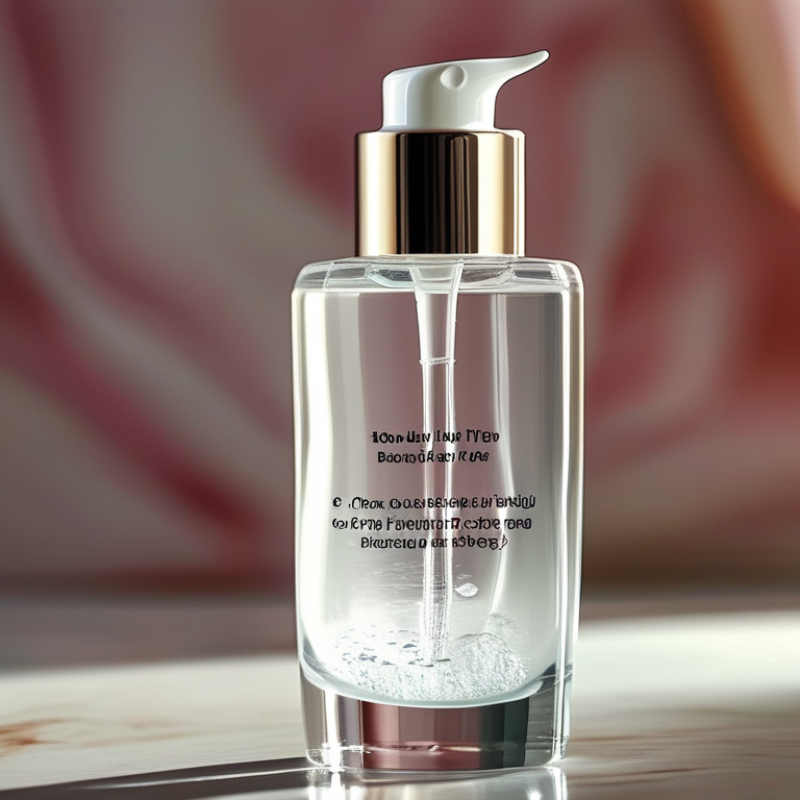
Hyaluronic acid is a naturally occurring substance in the body. It plays a vital role in retaining moisture in the skin. As we age, our body's hyaluronic acid levels decrease. This reduction leads to dryness and the appearance of wrinkles. Understanding the benefits of hyaluronic acid can help you make informed choices for your skincare routine.
This powerful humectant attracts and binds water. A single molecule can hold up to 1,000 times its weight in water. This property makes it excellent for hydration. Many people report smoother and plumper skin after using it. However, it's crucial to apply it correctly. Applying it onto damp skin enhances its effectiveness. Moreover, not all skin types respond the same way. Some may experience irritation, while others benefit greatly.
Fresh and glowing skin requires more than just hyaluronic acid. Combine it with a good moisturizer or oil. This helps seal in hydration and prevent evaporation. Always patch-test new products. It’s a simple step that can save you from potential skin reactions. Reflecting on your skincare routine will lead to more personalized results.
Choosing the right hyaluronic acid product for your skin type is crucial for achieving optimal results. There are different formulations available, each designed for specific skin concerns. If you have dry skin, look for a thick serum or cream. These products provide intense hydration, which can help alleviate flakiness. For oily or combination skin, lightweight gel formulas may be more suitable. These absorb quickly without leaving a greasy finish.
Consider the concentration of hyaluronic acid in the product. A higher concentration might seem effective, but it can also be heavy for some skin types. Experimenting with various formulations can lead to insights about what feels best on your skin. Don't forget to check for added ingredients. Some products include antioxidants or peptides, which can enhance the benefits.
Remember, not all hyaluronic acids are created equal. Reading reviews or consulting with a skincare professional can guide your choices. It’s essential to be mindful of how your skin reacts to different products. Sometimes, what works for others might not work for you. Patience and careful observation are key as you navigate the options. Pay attention to your skin's response and adjust your routine accordingly.
To maximize the benefits of hyaluronic acid, application techniques matter. Start with clean, slightly damp skin. This enhances absorption. Use a few drops gently on your face, focusing on areas that need hydration most. Patting rather than rubbing helps seal moisture into the skin, creating a barrier against dryness.
Consider layering products for improved effects. Applying a moisturizer afterward can lock in the hydration. For those with combination skin, you might find that applying hyaluronic acid only in dry areas works best. It's about experimentation, and everyone’s skin responds differently. What feels sticky for one might be a perfect emollient for another.
Be mindful of quantity. Too much product can result in a greasy feel without substantial benefits. If there’s any irritation or discomfort, it’s good to reassess your routine. Adjusting your techniques based on your skin’s feedback is crucial. Stay open to refining your approach. The key is to discover what truly works for you.
Integrating hyaluronic acid into your skincare routine can yield excellent results. This powerful humectant attracts moisture, helping to maintain hydration. A study by the Journal of Clinical and Aesthetic Dermatology revealed that consistent use can improve skin elasticity by 30%. Incorporating it correctly involves timing and layering products effectively.
Start with a clean face. Apply hyaluronic acid on damp skin to maximize absorption. This step is crucial since its effectiveness relies on moisture. Apply a moisturizer on top. This seals in the hydration. Many users report that they notice smoother, plumper skin within weeks. However, not everyone sees immediate results. Some may find the product feels sticky or see minimal changes initially, highlighting the need for patience and consistency.
Consider your skin type when integrating hyaluronic acid. Those with oily skin should opt for lightweight formulations. In contrast, those with dry skin may benefit from richer textures. Adjusting the amount you use is also key. Too much can lead to an over-saturated feeling. Finding the right balance might require some trial and error. Each person's response varies, reflecting our unique skin characteristics.
| Step | Product Type | Application Method | Frequency |
|---|---|---|---|
| Cleansing | Gentle Cleanser | Apply to damp skin | Daily (Morning & Evening) |
| Toning | Hydrating Toner | Apply with cotton pad or hands | Daily (Morning & Evening) |
| Serum Application | Hyaluronic Acid Serum | Apply a few drops on face | Daily (Morning & Evening) |
| Moisturizing | Moisturizer | Apply while skin is still damp | Daily (Morning & Evening) |
| Sun Protection | Sunscreen | Apply generously on exposed skin | Daily (Morning) |
When using hyaluronic acid, many common mistakes can hinder your results. One frequent error is applying it on dry skin. Research shows that hyaluronic acid works best when it is applied to damp skin. This allows it to attract moisture more effectively. Always spray a hydrating mist or use a wet toner before application.
Another mistake is overusing hyaluronic acid products. A report from the Journal of Cosmetic Dermatology highlights that excessive use can lead to irritation or dryness. It's important to follow usage guidelines. Using it twice a day on clean skin is typically adequate. In this case, less can be more.
Also, layering products improperly can undermine effectiveness. If you apply thick creams or oils first, they can create a barrier. This prevents hyaluronic acid from penetrating the skin. Understanding the correct order of application is vital. Water-based products should typically go on before any oils or lotions. By mastering these aspects, you can maximize the benefits of hyaluronic acid in your skincare regimen.
: Identify your skin type first. Dry skin benefits from thick serums, while oily skin may prefer lightweight gels.
Higher concentrations aren't always better. Some may feel heavy. Experimenting is essential to find what suits you.
Start with clean, slightly damp skin. Apply a few drops gently and pat, not rub. This helps seal in moisture.
Yes, applying a moisturizer afterward locks in hydration. Adjust based on your skin's unique reaction to these layers.
Stickiness can happen. It's important to evaluate the amount used and whether it suits your skin type.
Some see smoother skin within weeks. Others may need more time, reflecting individual skin responses. Patience is vital.
Absolutely. Apply it on dry areas for best results. Everyone’s skin behaves differently, so observe closely.
Yes, adjusting your routine based on what your skin tells you is important. Stay open to refining your approach.
Reassess the product or application technique. Sometimes, less is more. Your comfort is crucial.
No, they vary significantly. Reviews and professional consultations can help guide your choices effectively.
Hyaluronic acid is a powerful ingredient known for its hydrating properties, making it a popular choice in skincare. To understand how to use hyaluronic acid correctly, it's essential to first recognize its benefits, such as enhancing skin moisture and improving elasticity. Selecting the right product tailored to your skin type is crucial, as different formulations can have varying effects.
When applying hyaluronic acid, techniques that maximize absorption include using it on damp skin and layering it with other hydrating ingredients. Incorporating it effectively into your skincare routine can lead to optimal results, but be mindful of common mistakes such as overuse or failing to lock in moisture afterward. By following these guidelines, you can ensure that you are using hyaluronic acid to its fullest potential, achieving the healthy and hydrated skin you desire.
