After microneedling, mild peeling can appear as the skin repairs its protective barrier. You may notice tightness, dry patches, or tiny flakes around the nose and cheeks. This often develops between the second and fifth day, but healing differs from person to person. So, why is my face peeling after microneedling? Usually, the treatment encourages controlled renewal while temporarily increasing water loss from the surface skin.
This guide explores the China top 10 discussion around microneedling clinics, devices, and aftercare practices. It focuses on realistic treatment experiences, practitioner qualifications, sterile procedures, and clear recovery guidance. A reputable provider should explain needle depth, expected redness, product restrictions, and warning signs before treatment. They should also assess active acne, eczema, infections, medication use, and your healing history. These details matter more than attractive photographs or a high online ranking.
Peeling is not always a sign of excellent results. It may reflect dryness, excessive cleansing, sun exposure, or unsuitable products. That part is easy to overlook. Avoid scrubs, retinoids, acids, fragranced products, and picking loose skin unless a qualified clinician advises otherwise. Use gentle cleansing, a bland moisturizer, and broad-spectrum sunscreen as directed. Seek medical advice if pain increases, redness spreads, pus appears, swelling becomes severe, or healing seems unusually slow. No online article can diagnose your skin. Even an experienced reviewer can miss important personal factors. Use this introduction as a careful starting point, not a substitute for an examination by a licensed dermatology professional.
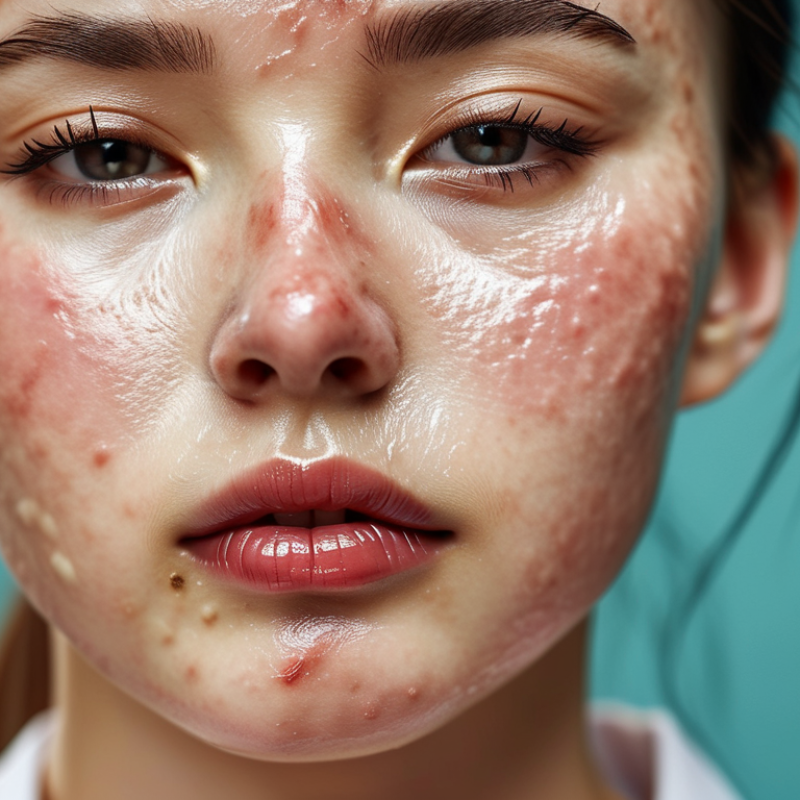
Microneedling creates tiny, controlled openings in the skin. Peeling often reflects the healing process, not treatment failure. As the skin barrier repairs, old surface cells loosen and shed. Flaking commonly begins two to five days after treatment. It may feel tight, rough, or slightly itchy.
Several factors can increase facial peeling. Deeper needle penetration causes more inflammation and usually needs longer recovery. Dry air, hot showers, sweating, and strong sunlight can worsen dryness. Retinoids, exfoliating acids, scrubs, and fragranced products may irritate the weakened barrier. Inadequate aftercare can contribute, but blaming aftercare alone is too simple. Skin sensitivity, treatment settings, and individual healing also matter.
Do not pull the flakes. Use a gentle cleanser, lukewarm water, and a plain moisturizer recommended by a qualified professional. Avoid active ingredients until the skin feels comfortable again. Sun protection remains important, especially when redness or sensitivity continues. Peeling should gradually improve, rather than become more painful. Increasing warmth, swelling, pus, severe tenderness, fever, or spreading redness requires prompt medical assessment. A trained practitioner should review persistent peeling, because normal recovery does not look identical for everyone.
Why Is My Face Peeling After Microneedling China Top 10?
Mild peeling after microneedling often reflects normal healing. The skin may feel tight, warm, or slightly rough during the first few days. Small flakes can appear around the nose, cheeks, or mouth. This process commonly improves within three to seven days, depending on needle depth, skin sensitivity, and aftercare. It should not cause severe pain.
Look closely at the pattern. Normal healing usually brings mild redness that gradually fades. Damaged skin may become increasingly swollen, hot, painful, or tender. Yellow discharge, spreading redness, blisters, heavy crusting, or a sudden dark or pale patch needs professional assessment. Do not pull the flakes. That can create tiny wounds and increase irritation.
Use a gentle cleanser, lukewarm water, and a simple fragrance-free moisturizer. Avoid scrubs, retinoids, exfoliating acids, and strong vitamin products until the skin feels calm. Apply broad-spectrum sunscreen when exposed to daylight. I have seen people mistake tightness for damage, then over-treat it with several products. That often makes recovery slower. Conversely, assuming every reaction is normal can delay care. A qualified dermatologist or licensed practitioner should review persistent redness, worsening discomfort, or changes lasting beyond the expected healing period. Photographs taken each day can help track whether the skin is improving or deteriorating.
| No. | Post-Microneedling Finding | Usually Consistent With Normal Healing | Possible Sign of Irritation, Infection, or Skin Damage | Practical Next Step |
|---|---|---|---|---|
| 1 | Mild redness or flushing |
Often normal Redness similar to a mild sunburn commonly appears immediately after treatment and may improve within 24–48 hours. |
Seek assessment Redness that becomes increasingly intense, spreads, feels hot, or lasts beyond the expected recovery period may indicate significant inflammation or infection. |
Use a gentle cleanser, avoid rubbing, and apply a bland moisturizer. Contact the treatment provider if redness is worsening rather than improving. |
| 2 | Dryness and flaking |
Often normal Light peeling may begin after several days as the skin barrier recovers. Mild flaking can continue for roughly 3–7 days, depending on treatment intensity. |
Possible damage Thick sheets of peeling skin, raw areas, bleeding, severe cracking, or rapidly worsening pain are not typical mild recovery signs. |
Do not pull or scrub the flakes. Keep the area moisturized with a fragrance-free product and pause exfoliating acids, retinoids, and abrasive products. |
| 3 | Tightness or mild sensitivity |
Common early effect A tight, dry, or mildly tender feeling may occur during the first few days while the temporary barrier disruption settles. |
Needs review Severe burning, escalating tenderness, marked swelling, or pain that interferes with normal activities requires professional advice. |
Apply a simple, non-irritating moisturizer and avoid heat, intense exercise, and unnecessary touching during the early recovery period. |
| 4 | Small pinpoint marks or mild bruising |
Can be expected Tiny pinpoint marks and limited bruising may occur, particularly after deeper treatment or in people who bruise easily. |
Possible complication Widespread purple discoloration, persistent bleeding, rapidly expanding bruises, or large painful areas should be assessed. |
Follow the provider’s aftercare instructions. Do not take or apply products intended to affect bleeding unless advised by a qualified clinician. |
| 5 | Mild itching |
May occur during healing Mild, short-lived itching can accompany dryness and surface recovery. |
Possible allergic reaction or irritation Intense itching with hives, facial swelling, blistering, or a rapidly spreading rash is not typical healing. |
Avoid scratching and stop any newly introduced product. Seek urgent medical help for breathing difficulty, throat swelling, or extensive facial swelling. |
| 6 | Small bumps or mild congestion |
Sometimes temporary Minor bumps may result from occlusive products, irritation, or temporary inflammation and may settle with gentle aftercare. |
Possible infection or acne flare Pus-filled lesions, increasing warmth, painful nodules, or rapidly spreading bumps should not be self-treated aggressively. |
Use only recommended, non-comedogenic products and contact a healthcare professional if bumps are painful, purulent, or worsening. |
| 7 | Crusting or scabbing |
Limited crusting may occur A few tiny crusts can develop after pinpoint bleeding, especially when a deeper setting is used. |
Needs assessment Extensive scabbing, darkening tissue, open wounds, foul drainage, or severe pain may indicate excessive injury or infection. |
Keep the area clean and hydrated as directed, and never pick the crusts. Arrange prompt clinical review for extensive or worsening lesions. |
| 8 | Increased pigmentation or dark spots |
May be temporary Post-inflammatory hyperpigmentation can follow inflammation, especially in medium-to-deep skin tones or after sun exposure. |
Possible prolonged inflammation Rapidly intensifying discoloration, gray or white patches, blistering, or sharply defined areas of tissue change need professional evaluation. |
Protect the skin from sunlight with shade and a broad-spectrum sunscreen once the skin surface has recovered and the provider permits it. |
| 9 | Increasing warmth, swelling, or drainage |
Only mild and improving symptoms Slight warmth or swelling can occur shortly after treatment but should gradually improve rather than intensify. |
Possible infection Worsening warmth, spreading redness, increasing swelling, yellow or green drainage, fever, or red streaks require prompt medical attention. |
Contact a qualified healthcare professional promptly. Do not squeeze the area or apply antibiotics, steroids, or strong antiseptics without medical advice. |
| 10 | Blisters, severe pain, or persistent open skin |
Not typical mild healing These findings are not expected after routine, uncomplicated microneedling and should not be dismissed as ordinary peeling. |
Urgent evaluation recommended Blistering, severe pain, tissue whitening or darkening, persistent bleeding, or wounds that remain open may reflect a significant reaction or injury. |
Stop active skincare products and obtain prompt medical assessment. Seek emergency care for breathing difficulty, facial swelling, or rapidly worsening symptoms. |
Important: Recovery varies with needle depth, treatment area, skin type, aftercare, and individual health factors. This table provides general educational guidance and does not replace an examination by a qualified medical professional.
Peeling after microneedling is often worsened by excessive needle depth, repeated passes, or strong pressure. These factors create more controlled skin injury than necessary. A 2023 dermatology review found that redness and swelling were usually mild and temporary, commonly lasting one to three days. Peeling can continue longer when the skin barrier remains dry or irritated.
Dry indoor air can make flaking look heavier. So can hot showers, sauna use, intense exercise, and direct sunlight during early recovery. Applying retinoids, exfoliating acids, alcohol-based toners, or fragranced products too soon may increase burning and scaling. The American Academy of Dermatology recommends gentle cleansing, moisturizer, and daily broad-spectrum sunscreen after treatment. Small details matter.
Picking loose skin is another problem. It can cause tiny abrasions and prolong redness. The FDA also identifies infection, pigment changes, and scarring as possible microneedling risks, especially with unapproved devices or poor technique. Active eczema, rosacea, acne inflammation, or a history of slow healing may worsen peeling. A qualified medical provider should adjust treatment depth and timing. That step is sometimes underestimated. If peeling becomes painful, spreads, develops yellow crusts, or lasts beyond one week, seek professional assessment rather than adding more products.
Why Is My Face Peeling After Microneedling China Top 10?
Peeling after microneedling often reflects temporary barrier disruption, not automatically a bad result. The American Academy of Dermatology reports that redness, swelling, and tightness may last several days. A 2023 review in Dermatologic Surgery also describes mild redness and dryness as common, short-term reactions. Still, severe burning is not something to ignore.
Wash with lukewarm water and a fragrance-free cleanser. Pat your face dry with a clean towel. Apply a simple, non-perfumed moisturizer several times daily. Avoid scrubs, retinoids, exfoliating acids, alcohol-based toners, and hot showers until the skin feels comfortable. Use broad-spectrum SPF 30 or higher after the first day, unless your clinician gives different advice. The FDA lists infection, pigment changes, and prolonged irritation among possible microneedling risks. Your recovery may differ from online examples.
Tips: Do not pick loose flakes. Keep pillowcases clean. Pause makeup for at least 24 hours, or longer if the skin remains open or sore. Contact a qualified medical professional if pain increases, pus appears, swelling spreads, or redness lasts beyond several days. A small mistake is common: adding too many “repair” products can worsen irritation. Follow the provider’s written aftercare plan, especially after deeper treatment or treatment near the eyes.
Mild redness, tightness, sensitivity, dryness, and peeling can occur during normal recovery after microneedling. The chart shows approximate upper-end durations commonly reported in professional aftercare guidance; individual healing varies. Use a gentle cleanser, apply a bland moisturizer, avoid picking or scrubbing, protect the skin from sunlight, and delay strong active ingredients until the skin barrier feels comfortable or your clinician advises otherwise.
Contact a qualified healthcare professional if symptoms become increasingly painful, hot, markedly swollen, blistered, pus-filled, or do not improve as expected.
Light peeling after microneedling can be part of normal healing. The skin may feel tight, rough, or dry for several days. Tiny flakes often appear around the nose, cheeks, or mouth. However, peeling should gradually improve, not become increasingly painful.
A common mistake is assuming every reaction is harmless. Severe redness, warmth, swelling, pus, or yellow crusting may indicate infection. Seek professional medical advice promptly if these symptoms appear. Fever, facial blisters, breathing difficulty, or swelling near the eyes require urgent care. Contact a licensed dermatologist or qualified medical provider rather than relying on online photos.
Tips: Cleanse gently with lukewarm water and a mild, fragrance-free cleanser. Pat dry with a clean towel. Apply a simple moisturizer recommended by a medical professional. Do not pick flakes or scrub the skin. Pause retinoids, exfoliating acids, alcohol-based products, and strong vitamin treatments until healing is complete. Use broad-spectrum sunscreen outdoors, because freshly treated skin can darken easily. If peeling continues beyond the expected healing period, spreads, or leaves lasting discoloration, arrange an assessment. Individual recovery varies, and treatment depth, skin sensitivity, and aftercare all matter. When uncertain, professional advice is safer than guessing.
Microneedling creates tiny openings in the skin. Peeling can show that old surface cells are shedding during repair. It does not automatically mean treatment failed.
Flaking often starts two to five days after treatment. Your face may feel tight, rough, or slightly itchy. Recovery timing varies.
Deeper treatment settings may cause more inflammation. Dry air, hot showers, sweating, and strong sunlight can increase dryness. Irritating products may add stress.
Use lukewarm water and a gentle, fragrance-free cleanser. Pat your face dry with a clean towel. Do not scrub loose flakes away.
No. Pulling flakes can increase irritation and delay healing. Let them fall naturally. It is tempting, but picking often creates new problems.
Avoid retinoids, exfoliating acids, scrubs, alcohol-based toners, and fragrances. Pause makeup for at least 24 hours. Wait longer if the skin feels open or sore.
Apply a simple, non-perfumed moisturizer several times daily. Keep pillowcases clean. Use broad-spectrum SPF 30 or higher after the first day, unless your clinician advises differently.
Seek prompt assessment if pain increases, warmth spreads, or swelling worsens. Pus, fever, severe tenderness, or spreading redness also need attention. Normal recovery should gradually improve.
No. Skin sensitivity, treatment depth, climate, and personal healing all matter. Online examples may mislead. I would not assume aftercare explains everything.
Contact a qualified medical professional for review. Persistent or increasingly painful peeling deserves assessment. Recovery is not perfectly predictable.
Facial peeling after microneedling is often part of the skin’s natural recovery process. The treatment creates tiny controlled micro-injuries, which may cause dryness, flaking, tightness, redness, or mild sensitivity as the outer layer renews itself. If you wonder, “why is my face peeling after microneedling,” the answer may involve normal healing, dehydration, excessive treatment intensity, sensitive skin, or the use of irritating products too soon. However, severe pain, swelling, blistering, spreading redness, pus, or darkening skin may indicate irritation, infection, or other damage rather than routine recovery.
To support safe healing, keep the skin clean, moisturized, and protected from sunlight. Avoid picking or pulling peeling skin, exfoliants, retinoids, strong acids, harsh cleansers, heat, and strenuous activities until the skin settles. Treatment technique, needle depth, poor aftercare, sun exposure, and individual skin conditions can worsen peeling. If symptoms become severe, persist longer than expected, or show signs of infection or scarring, seek advice from a qualified medical professional.
